
A couples therapy called “project VALOR,” which stands for “veterans and loved ones readjusting,” involves 25 sessions of cognitive behavioral therapy for PTSD and alcohol misuse, enhanced for significant others. Two OEF/OIF veterans received VALOR therapy in two separate case studies.49 These veterans greatly reduced their alcohol use at the start of treatment or shortly before beginning the treatment, and their PTSD symptoms substantially decreased over the course of treatment. Moreover, the combination of PTSD and alcohol abuse can have detrimental effects on relationships, work, and overall quality of life. The cycle of PTSD and alcohol dependence can be overwhelming and challenging to break without professional help and support. As individuals with PTSD rely on alcohol to cope with their symptoms, they often develop alcohol dependence, leading to a vicious cycle. Consuming alcohol may temporarily reduce anxiety, but it ultimately reinforces avoidance behaviors and prevents individuals from seeking appropriate treatment for their PTSD.
Is There a Relationship Between Complex Trauma and Alcohol Use Disorder?
Consistency is key, so aim to go to bed and wake up at the same times each day. This commitment to a regular sleep schedule not only helps re-establish healthy sleep patterns but also communicates to yourself that you are a priority. They possess the expertise to guide you safely through the process of reducing your alcohol consumption while monitoring your well-being. A good treatment program will design a program tailored to your individual needs.
- In the short term, alcohol might help with some common PTSD symptoms, like difficulties relaxing and trouble falling asleep.
- An IMO provides an objective evaluation of your PTSD and AUD, often by a private psychologist or psychiatrist, and can offer a detailed analysis that supports your claim.
- When those people are presented with a neutral stimulus, there is no increase in cravings.
- When patients report mood symptoms, it helps to clarify the possible relationship with alcohol use by asking, for example, about mood symptoms prior to starting alcohol use and on extended periods of abstinence.
- While panic attacks on their own are not dangerous, for someone with PTSD, they can induce intense fear, anxiety, and flashbacks.
The Recovery Village South Atlanta
Traumatic circumstances can include neglect, loss of a parent or companion, family conflict, racism, and discrimination. In some cases, emotional responses to traumatic events or circumstances continue for a long period of time and interfere with everyday life, a condition known as post-traumatic stress disorder (PTSD). Stress and trauma may contribute to mental health disorders such as depression and anxiety, and to substance use and its progression to substance use disorders. A combination of psychotherapy and pharmacotherapy may be an effective treatment strategy for service members and veterans with what is Oxford House comorbid PTSD and AUD. There was no statistically significant main effect for prolonged exposure therapy on PTSD symptoms and no observed differences in the number of dropouts across conditions.
Causes and Symptoms of PTSD
Shared decision-making, which uses a patient-centered, collaborative approach that includes the treatment team and the Veteran, should be used to make informed treatment decisions that align with the patient’s goals and values (35). Because there is no single level of care or evidence-based treatment that is recommended for all Veterans, using shared decision-making allows for tailoring of treatment and is a good way to best meet each Veteran’s unique circumstances. MBC can be used to assess progress and to integrate self-reported outcome data into the shared decision-making process.
Treating both PTSD and SUD
Unfortunately, individuals with PTSD often turn to alcohol as a means of self-medication, exacerbating their distress and making recovery even more challenging. To begin, two systematic reviews discuss the current state of behavioral (Simpson et al., 2017) and pharmacological (Petrakis & Simpson, 2017) treatments for comorbid AUD/PTSD. When veterans struggle with substance abuse, they may be reluctant to seek help due to stigma and myths surrounding addiction treatment. For example, a commonly believed myth is that if you hold a security clearance of any kind, even admitting that you might need help for substance abuse can take away your clearance. There continues to be a lot of conflicting information provided to enlisted service members about treatment for mental health disorders and PTSD. As a result, many military personnel try to numb their symptoms and cover them up by using substances such as sleeping pills and alcohol.
Alcohol Use Disorder and PTSD: An Introduction
There must be a clear “nexus,” or link, between the in-service stressor and your PTSD. This can be verified through military records, personal statements, or corroborative evidence from other sources. To successfully get service-connected for PTSD with AUD, it’s crucial to demonstrate that your alcohol use is directly related to your PTSD. Alcohol Use Disorder (AUD) involves a problematic pattern of alcohol use leading to significant impairment or distress. In this blog post, we’ll unpack how the VA rates PTSD with AUD, tips and strategies to help you prove service connection, and important considerations to remember when alcoholism is involved in VA disability benefits. Veterans dealing with both conditions may qualify for VA disability benefits, but the process of understanding how the VA rates PTSD with Alcohol Use Disorder can be intricate.
- There were no significant interactions between PTSD symptom severity and any of the drinking motives predicting next-day alcohol use (Model 6).
- When veterans struggle with substance abuse, they may be reluctant to seek help due to stigma and myths surrounding addiction treatment.
- The VA evaluates how PTSD with AUD affects your ability to work, maintain relationships, and perform daily activities.
- If your AUD developed as a result of coping with PTSD, it can be rated as a secondary condition, which may increase your overall VA disability rating.
Find Treatment for Co-Occurring Disorders Near Me

Engaging in ptsd and alcohol abuse regular physical exercise and maintaining a balanced diet can also contribute to overall well-being and resilience. Engage in regular physical activity, as it has proven benefits for mental health. Whether it’s a brisk walk, yoga, or dance, movement can be a powerful tool in managing both PTSD symptoms and alcohol misuse.
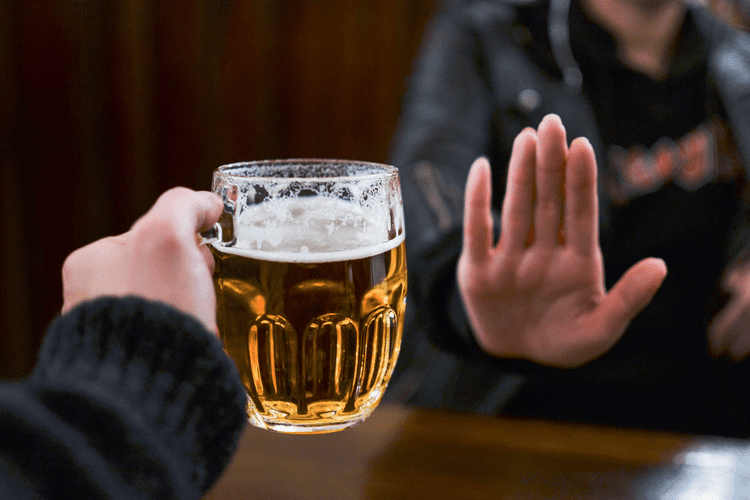
Having PTSD and an AUD makes it hard to fulfill duties and responsibilities at home, work, school, and socially. You may face significant losses, such as relationships or finances, but find it nearly impossible to quit drinking. We do not receive any commission or fee that is dependent upon which treatment provider a caller chooses.
Hence, treating the PTSD in a patient with co-occurring SUD can go a long way toward helping the patient gain more control over their substance use. Future research is also needed to continue to assess the relationship between key areas of psychosocial concerns and treatment outcomes in individuals with comorbid PTSD/AUD. Given the literature55 and current clinical practice guidelines put forth by the U.S. The effectiveness of supplemental interventions designed to target nonclinical stressors (e.g., financial problems, occupational difficulties, and reduced social support) that might interfere with treatment engagement and completion should also be evaluated. Whether you have developed post-traumatic stress due to serving in the military or experiencing a life-changing event as a civilian, there are numerous treatment options to help you overcome both disorders and get back to living a life free of alcohol and PTSD symptoms.
- However, even when studies control for demographic differences, family discord, and parental pathology, the specific relationship between childhood abuse and the development of substance use disorders holds true.
- If you address your drinking while still avoiding a traumatic past, you are unlikely to have much success.
- Because inpatient studies are expensive, other innovative strategies such as laboratory studies using stress reactivity or cue induced craving may be more efficient and cost-effective for testing novel therapies.
- Veterans are also more likely to engage in binge drinking, consuming a large quantity of alcohol over a short period.
- Some clinical features of AUD may also precipitate sleep disorders, such as a preoccupation with obtaining alcohol and AUD-related psychosocial stressors.
- The sleep problems were assessed by a brief self-report measure and were not confirmed via observation in a sleep laboratory.
Military and veteran populations have a critical need for interventions that aim to reduce the burden of co-occurring PTSD and AUD. Treating these conditions simultaneously has been challenging and complex in the general population, and military service adds additional risk factors for the likelihood of their onset and maintenance. Although promising interventions exist, more research is needed to assess the degree to which current interventions are effective for service members and veterans. Also, new interventions that target this population should be developed and tested. Research on the factors leading to participant dropout and on ways of increasing treatment engagement and retention is critical. Second, although treatments for PTSD and SUD have been disseminated systemwide within the VA, there is a dearth of literature about the effectiveness of these treatments for those in this population who have both conditions.
This can create a vicious cycle where individuals turn to alcohol as a coping mechanism, only to find their anxiety escalating as a result. Alcohol abuse can exacerbate the symptoms of PTSD, making them more difficult to manage. It can intensify feelings of anger, irritability, and aggression, which are common symptoms of PTSD. Additionally, alcohol can impair memory and concentration, further hindering the individual’s ability to process and cope with their traumatic experiences. Many individuals with PTSD turn to alcohol as a way to numb their emotional pain and temporarily alleviate their distressing symptoms.